Why Executive Coaches Keep Learning
and Why Credentials Matter to Clients
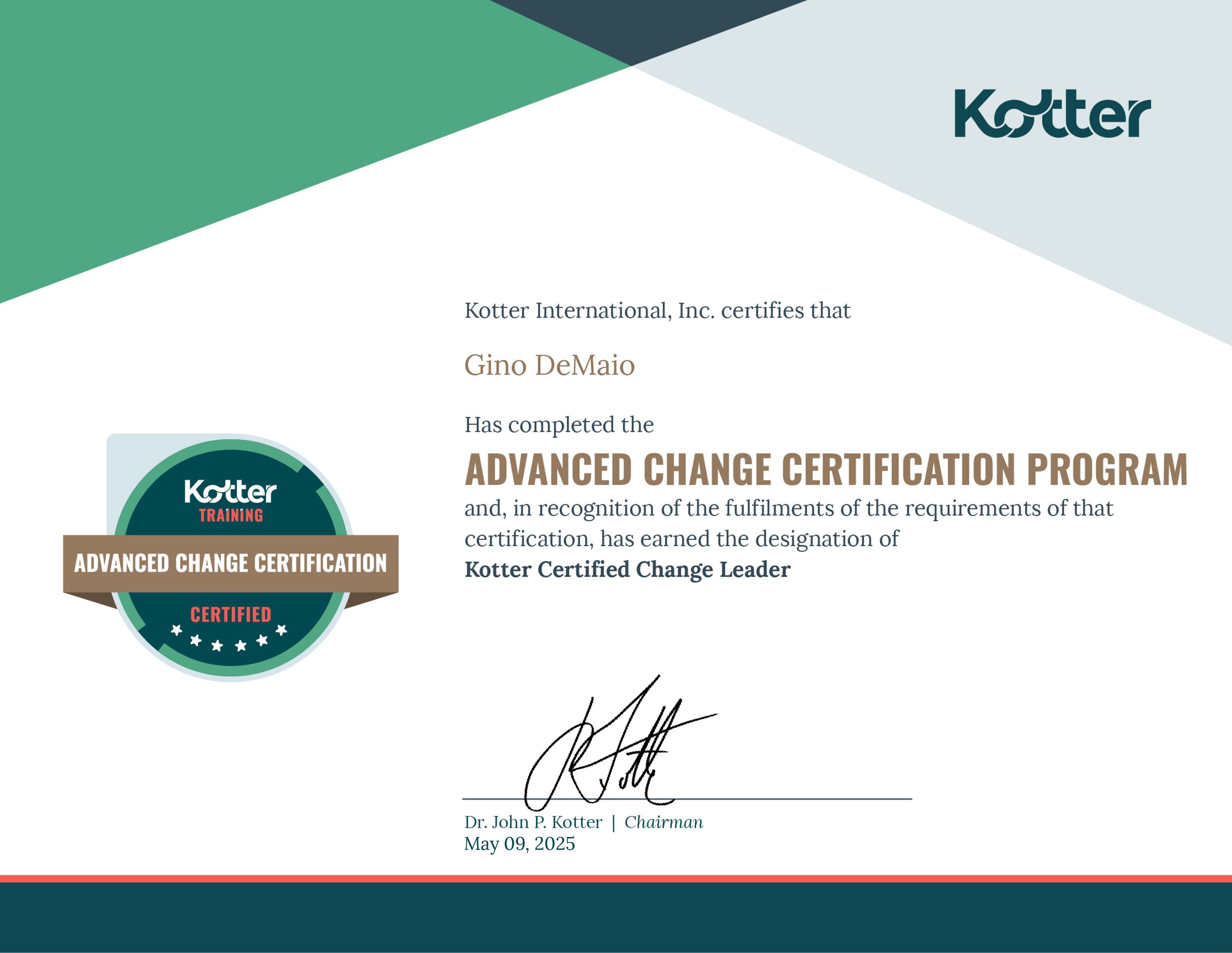
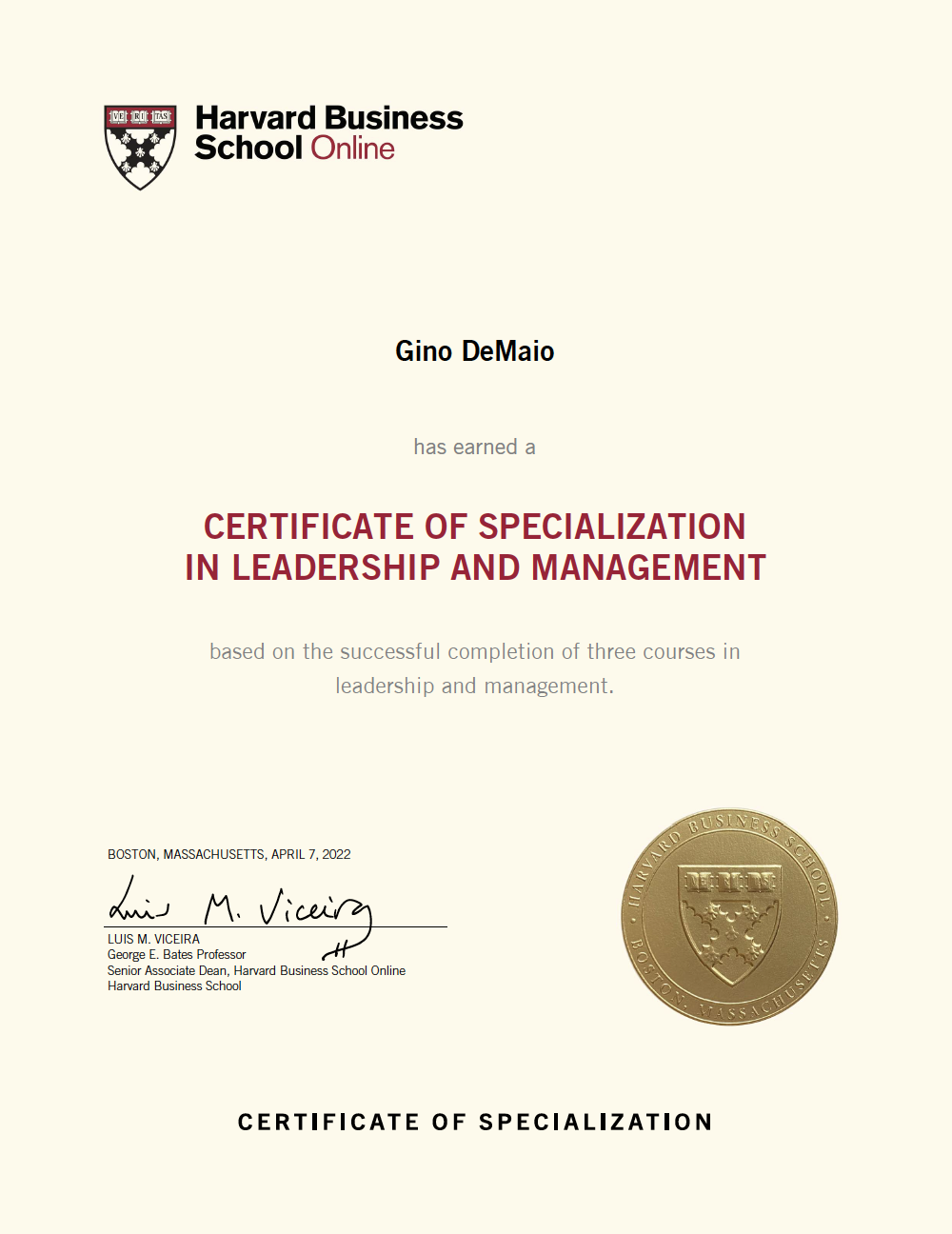
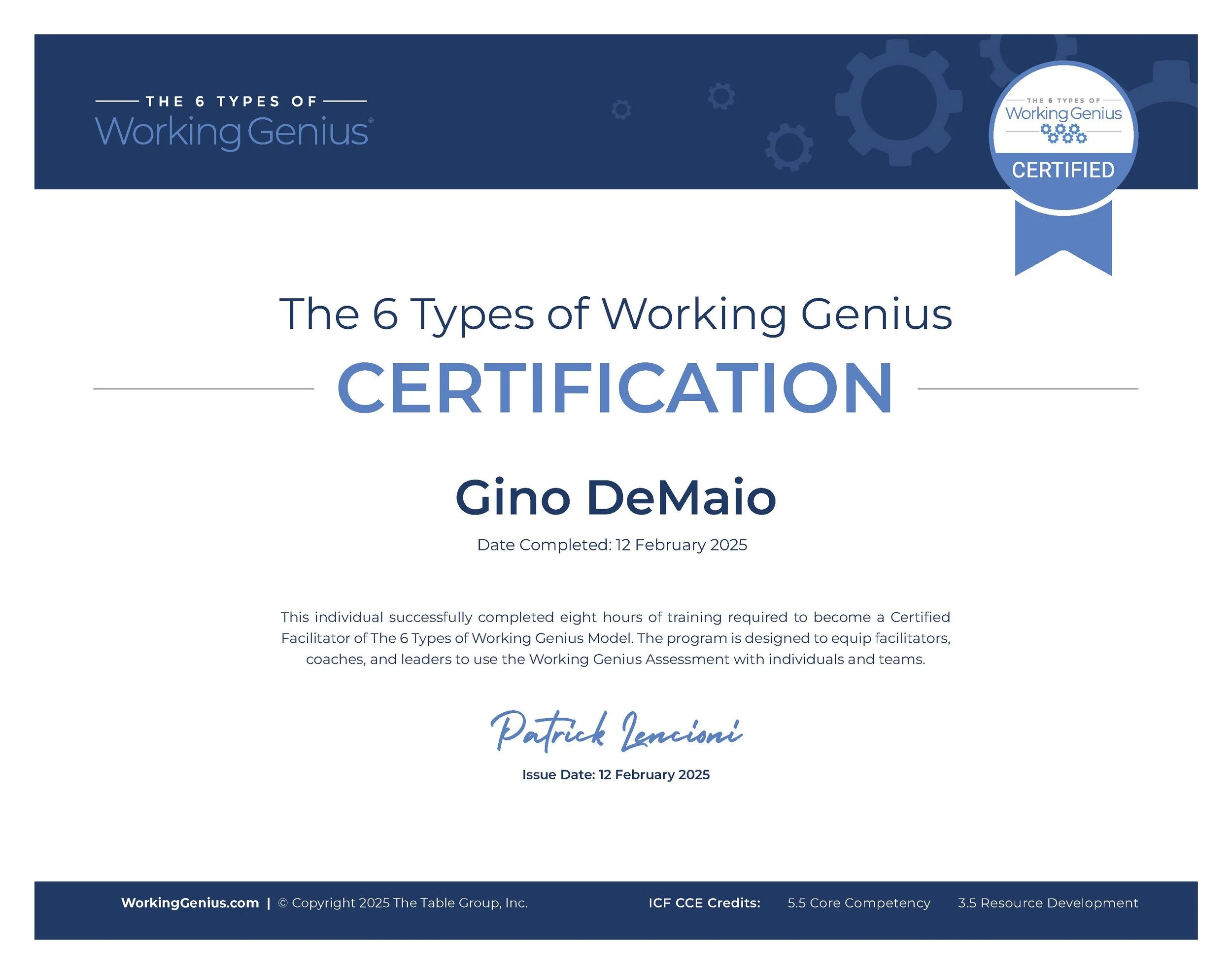
Executive coaching has no licensing board, no bar exam, and no legal gatekeeper. Anyone can print a business card that says "executive coach." That fact alone is why executive coach credentials and ongoing professional development are ’t optional extras—they are the clearest signal a client has that the person across the table has met a defined standard of training, ethics, and skill.
This article explains two things that are really one argument: why experienced coaches keep investing in their own learning, and why credentials from bodies such as the International Coaching Federation (ICF) protect the leaders, boards, and organizations that hire them.
Key takeaways
Coaching is unregulated, so credentials are one of the few external proof points clients have.
A coach's own level of development caps how far they can take a client.
Credentials like ICF's ACC, PCC, and MCC require ongoing education, ethics training, and renewal — they are not one-time achievements.
Credentials are a necessary floor for competence and ethics, not a guarantee of great coaching.
Part I: Why Executive Coaches Continue to Learn
1. A Coach's Own Development Sets the Ceiling for the Client's Growth
Coaching works by helping a leader see a pattern they cannot yet see in themselves. A coach can only help a client reach levels of complexity the coach can recognize and hold. Kegan and Lahey's adult development research makes this point directly: a coach operating from a socialized mind struggles to support a leader who needs to move toward a self-authoring or self-transforming stance. Continued learning is how a coach expands their own capacity so it never becomes a ceiling on the client's.
2. Expertise Decays Without Deliberate Practice
Ericsson's research on expert performance shows that experience alone does not produce mastery. Improvement comes from deliberate practice — focused effort on specific weaknesses, paired with feedback. Coaches who stop learning tend to settle into familiar questions, favorite frameworks, and habitual interpretations. The Dreyfus model describes the progression from novice to expert, but that progression is not automatic: skill can plateau, and it can erode.
3. Reflective Practice Is the Discipline of the Profession
Schön's concept of the reflective practitioner — distinguishing reflection-in-action from reflection-on-action — underpins mature coaching. Supervision, mentor coaching, and continuing education give coaches a structured way to examine their own blind spots, projections, and countertransference. Without that discipline, the coach becomes an unexamined variable in the client's development.
4. The Context of Leadership Keeps Changing
Executives now lead through hybrid work, workforce shortages, AI-driven disruption, polarization, and sustained organizational stress. Heifetz's distinction between technical and adaptive challenges applies to the coach just as much as the client. A coach relying on models from a decade ago will treat adaptive problems as if they were technical. Staying current keeps coaches relevant.
5. The Evidence Base Keeps Evolving
Coaching research has matured considerably through the work of Grant, de Haan, Passmore, and others. We now know more about what actually predicts outcomes. The working alliance — trust, rapport, and agreement on goals — is consistently among the strongest predictors of success, while choice of technique matters less. Coaches who keep learning can align their practice with evidence rather than personal preference or marketing trends.
6. Modeling Matters
A coach who asks leaders to embrace a growth mindset (Dweck), seek feedback, and build learning cultures (Edmondson) — without doing so themselves — undermines their own credibility. Continued learning is a form of integrity: the coach embodies what they ask of others.
Part II: Why Executive Coaching Certifications and Credentials Are Critical to Clients
1. Coaching Is an Unregulated Field
This is the foundational point. Anyone can call themselves an executive coach. There is no licensure equivalent to psychology, social work, or counseling. In that environment, credentials from bodies such as the ICF are among the few external signals clients have that a coach has met defined standards of training, supervised practice, and assessed competence.
2. Credentials Protect Clients Through Ethics and Accountability
ICF credential holders commit to a published Code of Ethics and are subject to an ethical conduct review process. This gives clients recourse if a coach breaches confidentiality, exploits the relationship, or practices outside their competence. An uncredentialed coach typically has no such accountability structure.
3. Credentials Establish Scope-of-Practice Boundaries
This matters especially in mission-driven and behavioral health settings. Credentialed training teaches coaches to recognize when a presenting issue — depression, trauma, substance use, or acute distress — calls for referral to a clinician rather than continued coaching. Failing to recognize that boundary can harm the client. Competence includes knowing where one's competence ends.
4. Assessment Certifications Protect the Validity and Ethics of Feedback
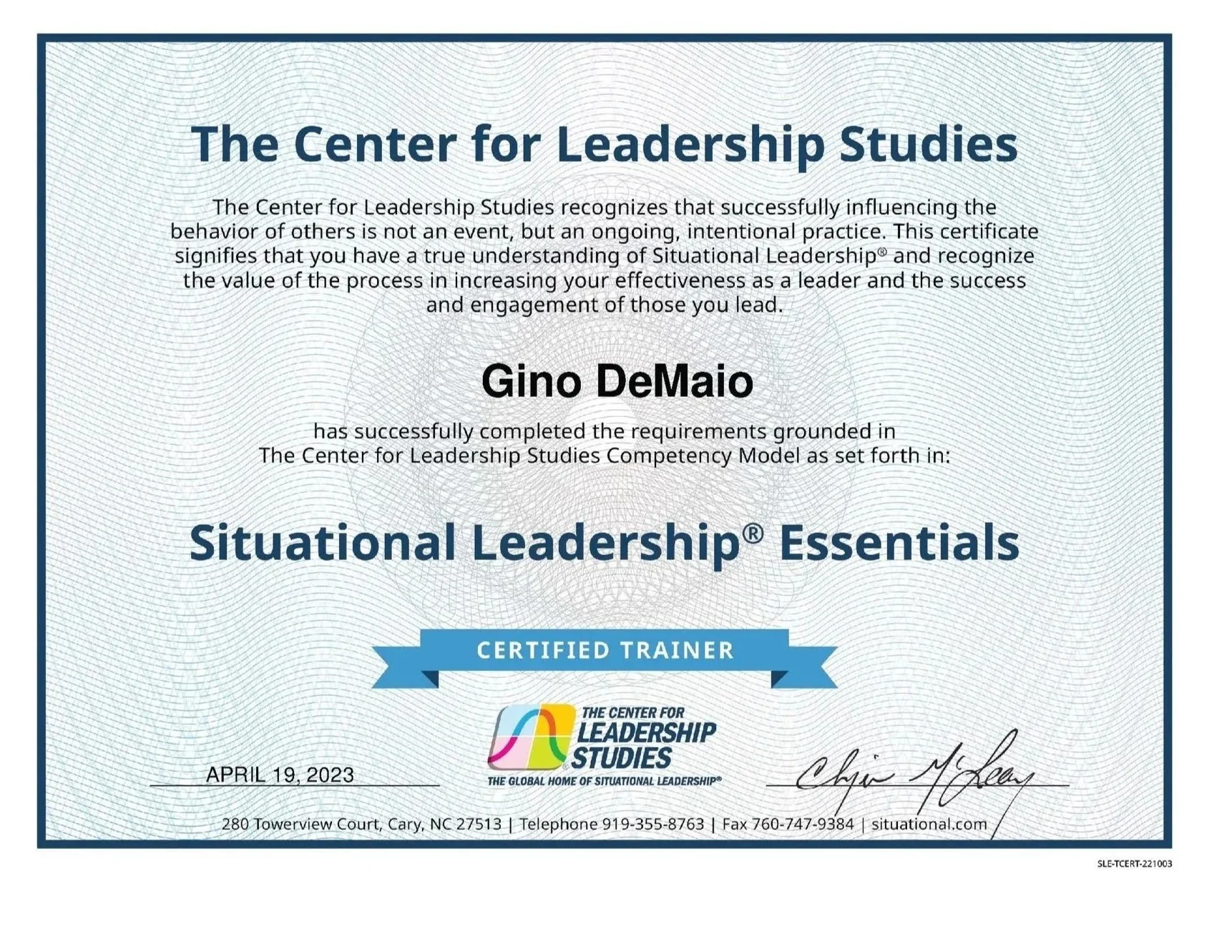
Instruments such as the EQ-i 2.0/360, Genos, and the IDI require certification to administer, and for good reason. Psychometric results that are misinterpreted or poorly debriefed can label, discourage, or mislead a leader. Certification ensures the coach understands:
Reliability and validity limits
Norm groups
Appropriate use (development rather than selection, where specified)
How to debrief results in a way that builds insight rather than defensiveness
For the client, this is the difference between a data-informed developmental conversation and an amateur's reading of a score report.
5. Credentials Require Continued Learning — Linking Both Halves of This Argument
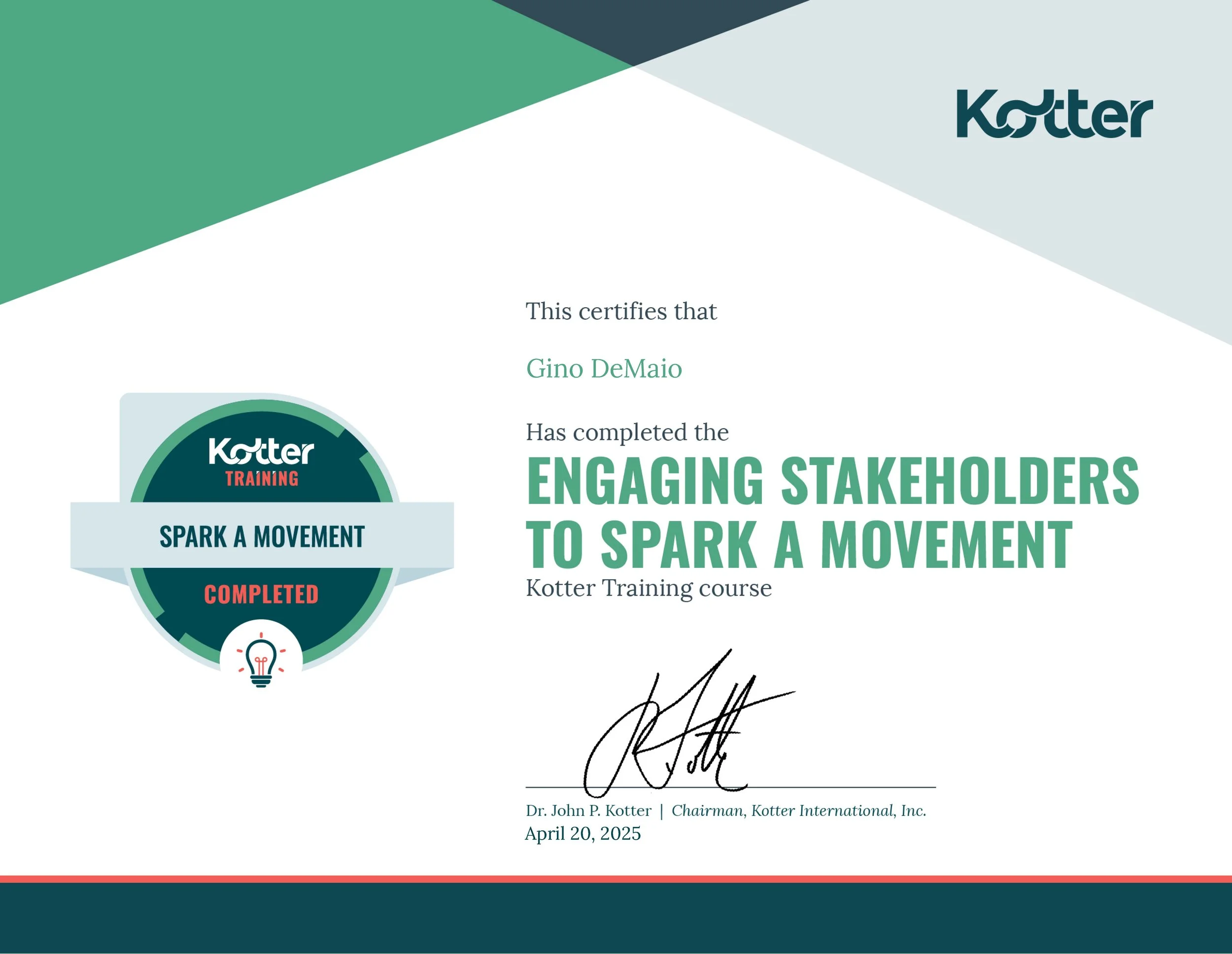
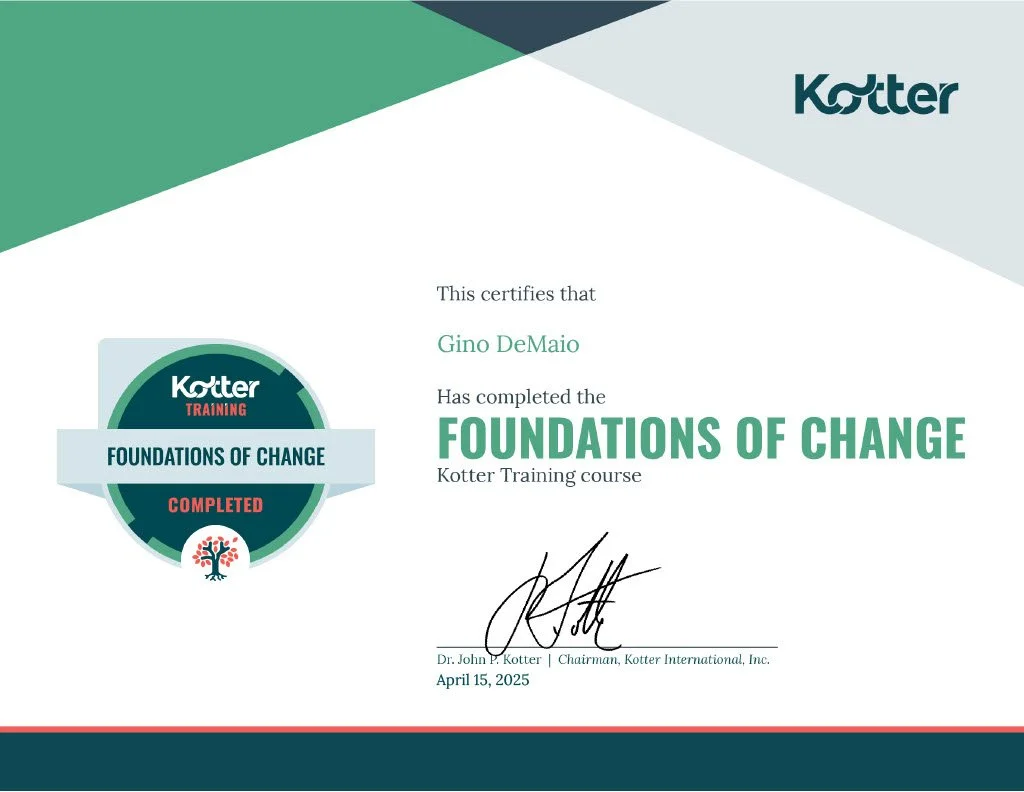
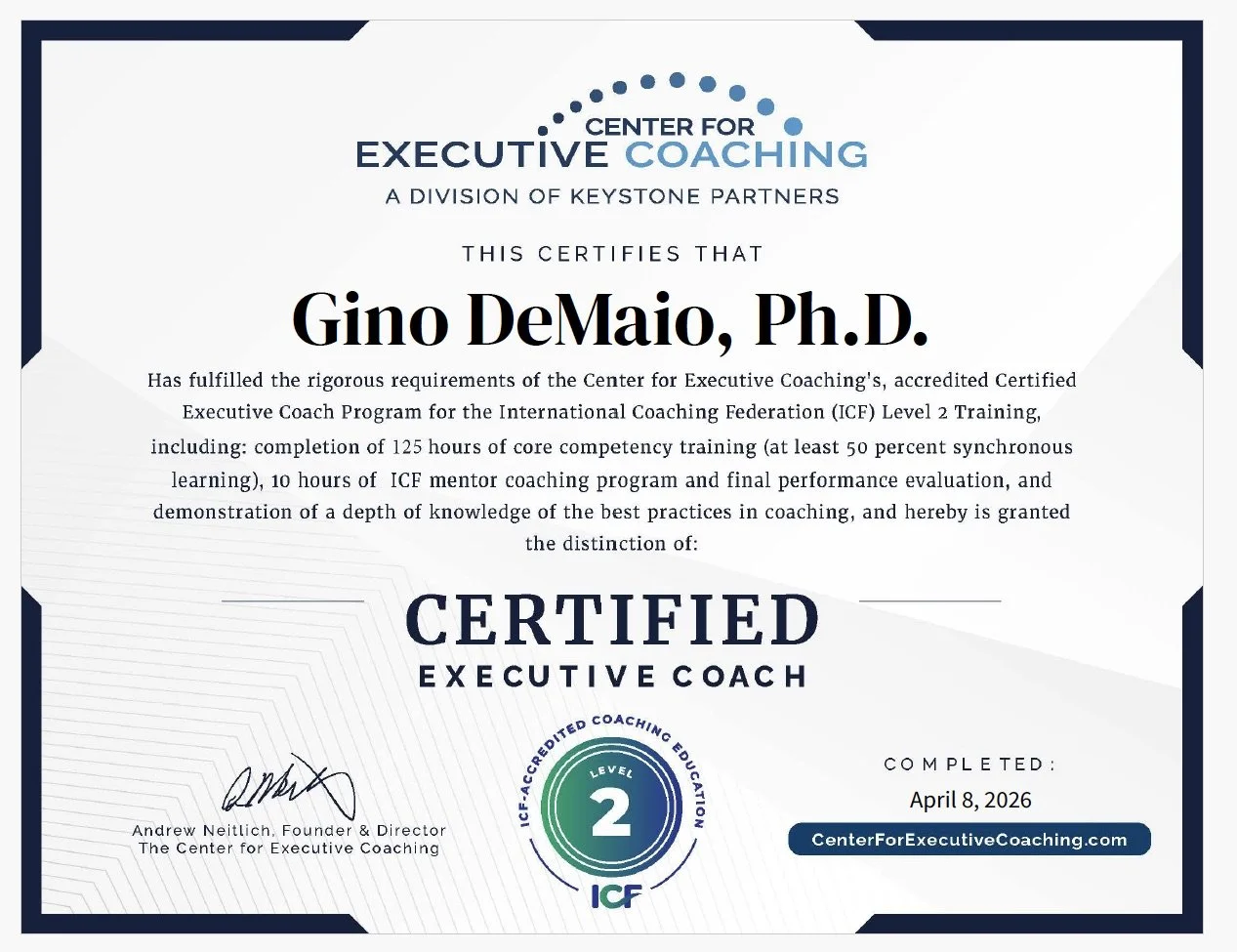
ICF credentials must be renewed every three years with continuing coach education, including required hours in coaching ethics and core competencies. The credential is not a one-time achievement; it is a structural commitment to the ongoing development described in Part I.
6. Credentials Build Organizational Trust and Support Procurement
Boards, HR leaders, and funders increasingly require verifiable qualifications before engaging coaches, particularly when public or philanthropic dollars are involved. For nonprofit organizations accountable to stewardship standards, a credentialed coach is a defensible choice. An uncredentialed one invites scrutiny.
7. Credentials Create Psychological Safety for the Client
Edmondson's construct of psychological safety applies inside the coaching relationship itself. Leaders disclose vulnerabilities, fears, and failures to their coach. Knowing the coach is bound by confidentiality standards, trained to handle that material responsibly, and accountable to a professional body lowers the interpersonal risk of disclosure — and deeper disclosure enables more meaningful development.
A Necessary Caveat: Credentials Are a Floor, Not a Ceiling
The argument for credentials should not be overstated. Research directly linking credential level (ACC, PCC, MCC) to client outcomes is limited. Many effective coaches hold modest credentials, and some credentialed coaches are mediocre. The evidence more strongly supports the view that relationship quality, reflective capacity, and ethical practice drive outcomes.
The most defensible position is this: credentials are a necessary floor, not a sufficient ceiling. They assure clients of baseline competence, ethics, and accountability in an unregulated market. Continued learning, supervision, and reflective practice are what move a coach from competent to genuinely transformative. Clients are best served by a coach who holds the credential and treats it as the beginning of their development, not the end.