


Leadership Coaching & Emotional Intelligence: Key Insights
Self-knowledge in leadership is not a personality inventory. It is a working map of three things: what you are good at, what you do automatically under pressure, and where your view of yourself diverges from how others experience you.

Feeling Safe to Speak: Executive Coaching for Team Trust and Conflict
Psychological safety refers to the shared belief that a team is safe for interpersonal risk-taking. In practice, team members feel comfortable sharing ideas, taking risks, and speaking up without fear of retaliation. That definition focuses on belief rather than policy. A team can have an open-door culture on paper and still be a place where nobody says the true thing.

Leadership Development Executive Coaching: Measuring Whether It Worked
Executive coaching works by facilitating self-awareness, new skill development, and a deeper conceptual understanding of the business world of work. It is a bespoke, goal-oriented developmental process for senior leaders, designed to enhance self-awareness and strategic thinking rather than to deliver a fixed curriculum.

Leadership and Executive Coaching: Choosing a Coach Without Regret
Executive coaching involves personal and professional development in a confidential relationship between a coach and an executive within an organization. That confidentiality is not a nice extra. It is the structural feature that makes the work possible, because leaders rarely say the hardest things about their own performance in a room where those words can travel.

Training for First-Time Managers: The First 90 Days Matter Most
New managers are usually watched closely without realizing it. Team members are reading your first reactions, your first decisions, and the first time you handle something awkward. They learn quickly what you tolerate, what you avoid, and whether you follow through on what you say. Those early signals become the working assumptions everyone operates from, and they are far easier to set well at the start than to rewrite a year later.

The Real Benefits of Emotional Intelligence Skills for Leaders
Emotional intelligent leadership means a leader's ability to recognize, understand, and manage their own emotions and the emotions of the people around them. That definition sounds soft until you sit in a budget meeting where two directors have stopped speaking to each other, or a staff meeting the week after a layoff. Then it stops sounding soft.
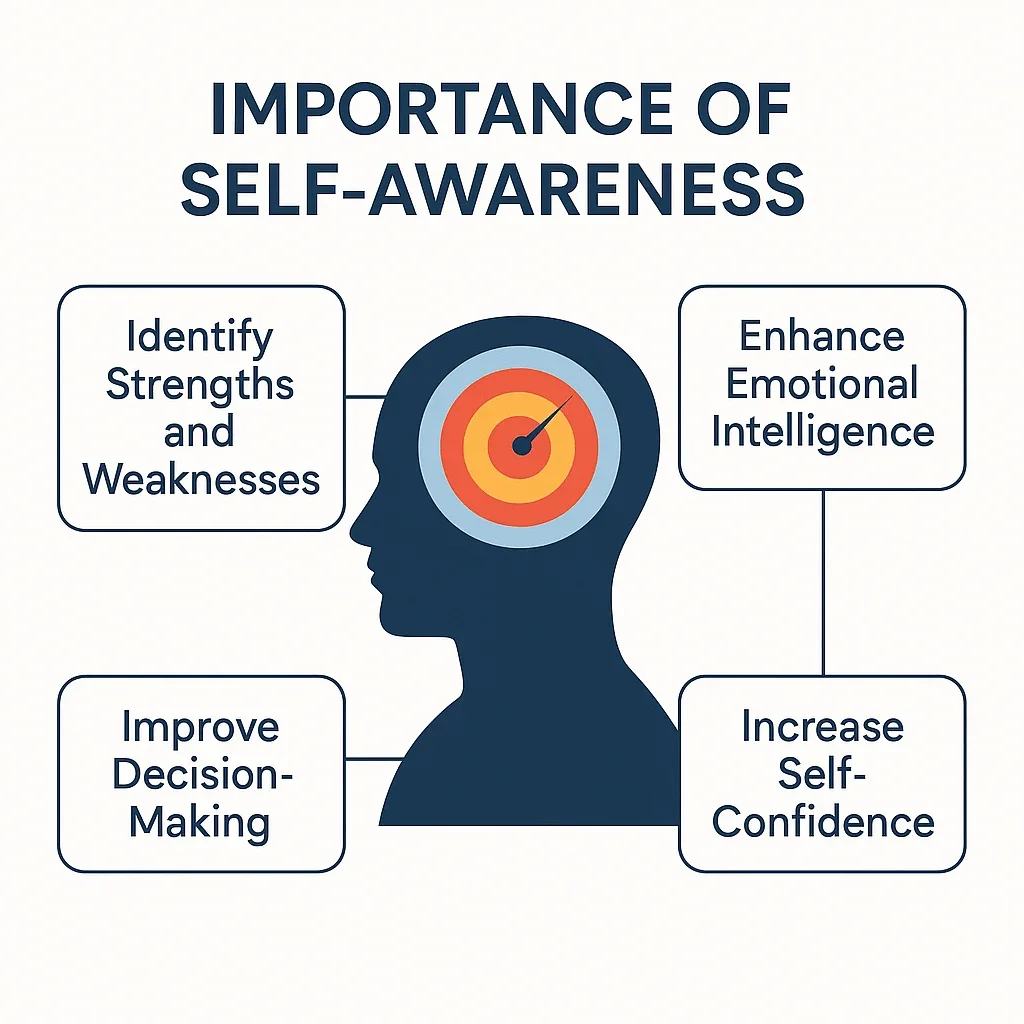
How can I improve my self-awareness and handle stress without losing effectiveness as a leader?
Here’s a concise, practical plan to build self‑awareness and manage stress while staying effective as a leader—with quick, evidence-based steps you can start today.

Lead at Level: Why Leadership Must Meet the Moment
Leadership is not one-size-fits-all. The expectations for a frontline supervisor differ greatly from those for a CEO. A frontline supervisor manages daily operations, ensures safety, and supports team members directly. A CEO develops long-term strategy, manages stakeholder relationships, and guides the organization through market changes. Leaders who do not recognize their role’s requirements risk overreaching or under-delivering. Leading at level means understanding your position’s scope, influence, and challenges, and acting accordingly.

When the Money Runs Short: How Underfunding Quietly Erodes Nonprofit Culture.
Make sure that your employees know what they are being paid. Create a salary scale you can explain to employees so they understand why they are paid that amount. Even if your organization does ’t have a large budget, it will help employees understand why they are paid what they are. If your organization doesn't have the budget to recognize your employees financially, find other ways to show them you value their time and hard work.


Coaching Supervision: Why Credentials Are Not Enough
If you've examined that wound, it becomes useful. You notice yourself slipping into the old belief, and because you can catch it in yourself, you can spot it when somebody across from you does the same thing. You connect on a level that credentials never reach.

Challenges Faced by Nonprofit Agencies in a Competitive Funding Environment
Nonprofit agencies have long been used to provide community-based services throughout the United States. Whether it is social services, mental health services, housing resources, educational resources, or many others, nonprofit agencies fill gaps that Americans need.

Turn off the old tapes
If you've examined that wound, it becomes useful. You notice yourself slipping into the old belief, and because you can catch it in yourself, you can spot it when somebody across from you does the same thing. You connect on a level that credentials never reach.

One ready leader, properly poured into, becomes a carrier of that culture at every level.
I just kept saying, out loud and often, that continuous learning is the price of leadership here. Motivated people heard that as an open door and walked toward it.